
Death of a loved one abroad: how to bring the deceased to Kraków
To bring a deceased person home from abroad for a funeral in Kraków, you must first obtain permission from the Mayor of Kraków (Prezydent Miasta Krakowa) to bring in the body or ashes, and then a certificate from the Polish consul in the country of death. The statutory time limit for issuing the permission and the certificate is 3 days from submission of a complete application, but the whole matter takes longer, because translations, the consul and transport need time. The body is transported by a specialised company, and an urn in a sealed container can be carried by any means of transport.
- Death documentissued by the authorities of the country of death
- Permission from KrakówMayor of Kraków, by law within 3 days of a complete application
- Consul's certificatePolish consul in the country of death, by law within 3 days of a complete application
- Transportthe body in a special vehicle, or an urn
- Funeral in Krakówreligious or secular
First steps: the death document and contact with the consulate
When a loved one dies abroad, the formalities begin on the spot. First you need a document confirming the death, issued by the local authorities: a death certificate or another official document. Depending on the country it is issued by an office, and in Ireland, for example, by the coroner.
The second step is to contact the Polish consulate in the country where the death occurred. The consul issues the certificate needed to bring the deceased to Poland. The consul does not cover costs, give advice or take decisions for the family, for example on the manner and place of burial.
The requirements of the local authorities differ from country to country. They may include, among other things:
- permission from the local authorities to take the body out of the country,
- a certificate that the deceased did not suffer from an infectious disease,
- a certificate of embalming,
- in the case of cremation: a cremation certificate.
The current list for a given country is given on the website of the relevant mission on gov.pl. We describe the general procedure after a death in the guide what to do when someone dies.
Permission to bring the deceased to Kraków
Under the Act on Cemeteries and Burial of the Dead (ustawa o cmentarzach i chowaniu zmarłych), bringing a body in from abroad requires the permission of the starost (district head) competent for the place of burial. When the funeral is to take place at a cemetery in Kraków, the decision is issued by the Mayor of Kraków. The permission is issued in consultation with the State County Sanitary Inspector (państwowy powiatowy inspektor sanitarny).
The application may be submitted by persons who have the right to bury the deceased: the surviving spouse, descendants (children, grandchildren), ascendants (parents, grandparents), collateral relatives up to the 4th degree of kinship, and relatives by marriage in the direct line up to the 1st degree. This right also belongs to a person who voluntarily undertakes to bury the deceased. You may act through a representative.
The application must be accompanied by:
- a document confirming the death: a Polish death certificate, an international death certificate, or a sworn translation of a foreign death certificate or other official document,
- a document stating the cause of death or excluding an infectious disease (with a sworn translation), if the death certificate does not contain this information,
- a power of attorney, if the application is submitted by another person.
The application states whether a coffin with the body or an urn with ashes is to be brought in. The application is accepted by the Administrative Affairs Department of the Kraków City Office (Wydział Spraw Administracyjnych Urzędu Miasta Krakowa), ul. Wielicka 28A, 1st floor, room 114, tel. +48 12 616 55 55, and also by the office's submission desks. It can also be submitted online.
Issuing the decision is not subject to stamp duty. A fee applies to the power of attorney (except for the closest family), and the office states the amount. The office issues the decision within 3 days of submission of a complete application. This is the office's statutory time limit, not the time the whole matter takes: translations, the consul and transport take longer. The decision can be appealed to the Local Government Appeals Board in Kraków (Samorządowe Kolegium Odwoławcze) within 14 days of delivery.
If the death was caused by an infectious disease on the official list, the permission is not issued before two years have passed since the date of death.
- 3 daysthe office's statutory time limit for a complete application; the whole matter takes longer
- no feestamp duty for the permission decision itself
- 14 daysto appeal to the Local Government Appeals Board
The consul's certificate
With the permission from Kraków, the family or their representative applies to the Polish consul in the country of death. The consul issues a certificate that the deceased may be brought to Poland. The application must be accompanied by:
- the permission issued by the Mayor of Kraków,
- the death certificate or another official document confirming the death,
- in the case of cremation: a certificate from the crematorium,
- documents required by the authorities of the given country.
The consul issues the certificate without delay, at the latest within 3 days of submission of a complete application. This is the office's statutory time limit, not the time the whole matter takes. According to some missions (for example in South Africa and Ireland), the documents do not need to be translated into Polish; it is worth checking this with your consulate.
A consular fee is charged for the certificate, and the mission states the amount. The application may be submitted by a person authorised by the family, for example an employee of the funeral home, with an original power of attorney.
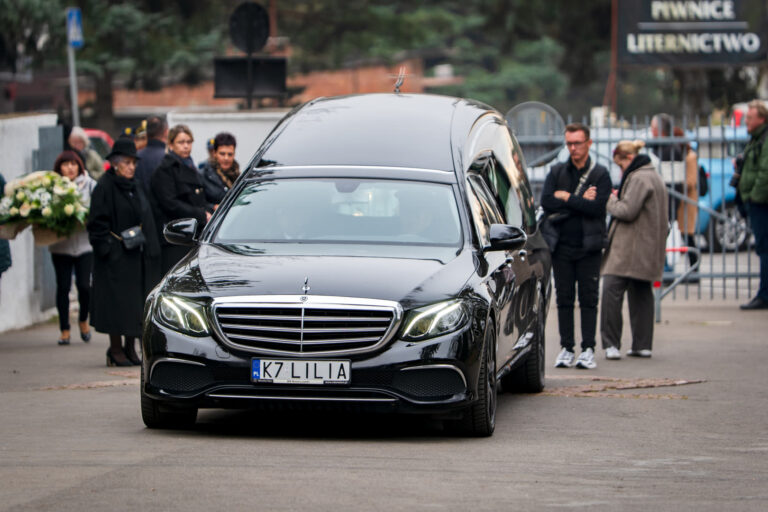
Transporting the body to Kraków
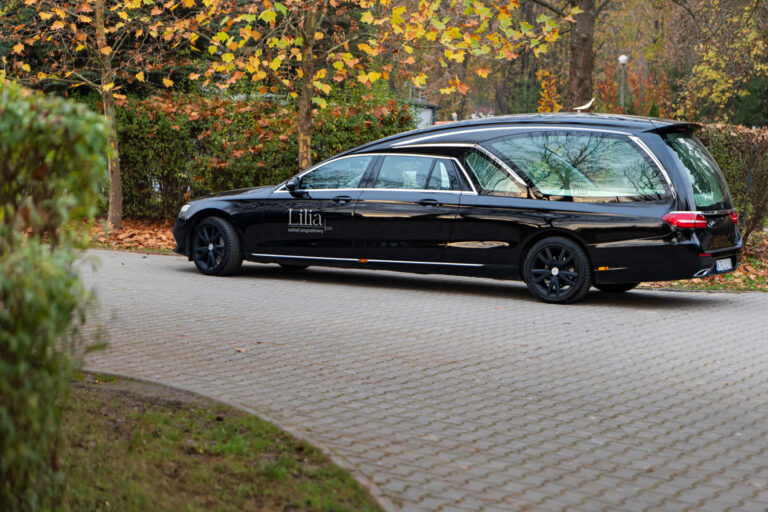
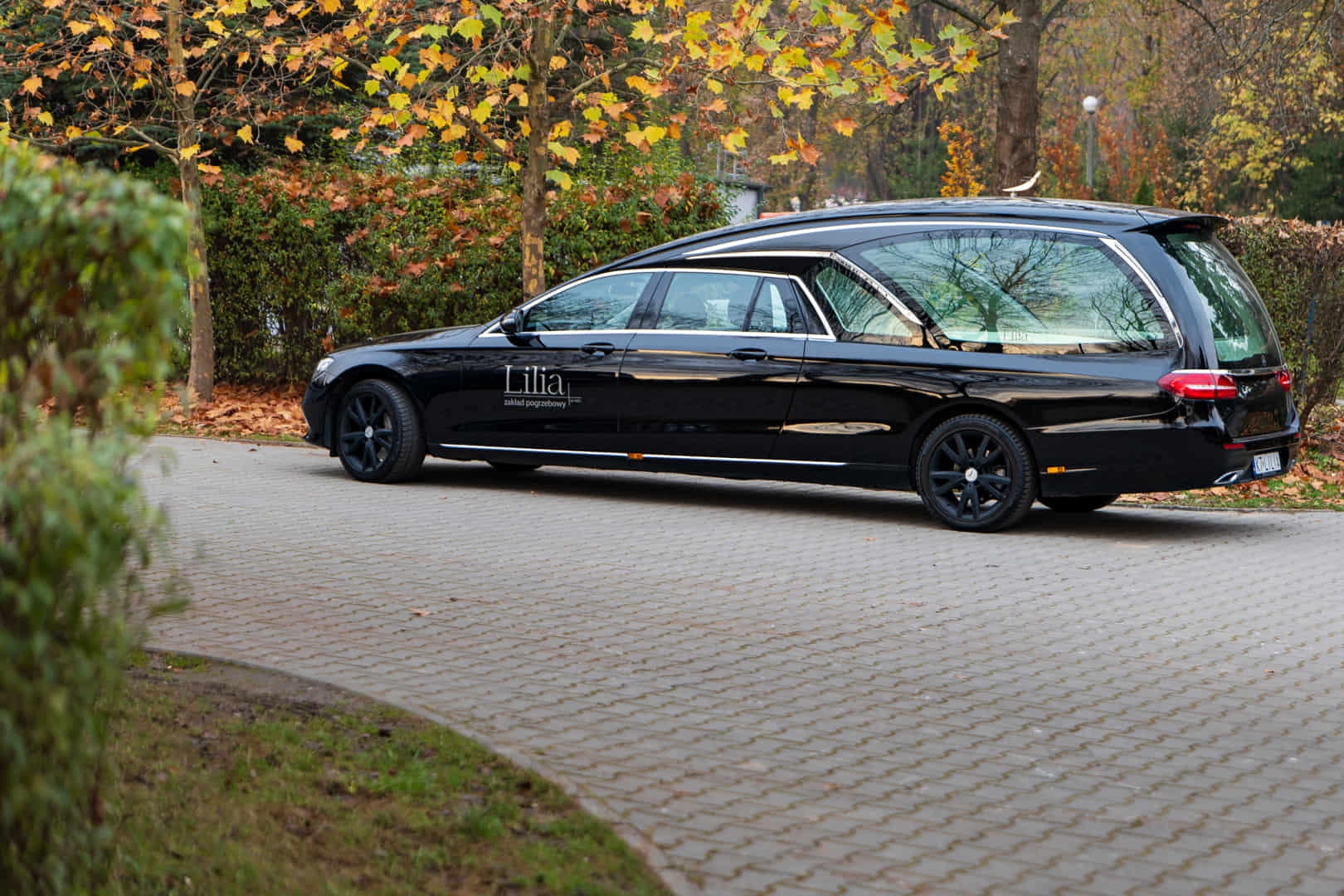
The body is transported by a company specialising in international transport of human remains. The regulations require the vehicle to be intended for this purpose: permanently marked, with the driver's cabin separated from the part for the coffin, with the coffin secured against shifting, and disinfected after each transport.
The country the coffin leaves may have its own requirements for how it is secured. For example, the consulate in Ireland states that the remains must be in a soldered metal coffin placed in a wooden crate, and the funeral home issues a declaration of the contents of the coffin.
We write more about transport on the page transport of human remains.
Cremation abroad and transporting the urn
Some families choose cremation in the country of death and bringing the urn home. The permission of the Mayor of Kraków and the consul's certificate are also needed when ashes are brought in. A certificate from the crematorium is attached to the application to the consul.
Transporting the urn alone is simpler than transporting a coffin. Under the regulation of the Minister of Health (rozporządzenie Ministra Zdrowia), ashes placed in a sealed, damage-resistant container may be carried by any means of transport, in a manner that ensures they are treated with respect. When travelling by air, the airline's rules apply, so it is wise to check them before the flight.
You will find information about funerals at Kraków cemeteries on the pages Rakowicki Cemetery and Salwator Cemetery, and about choosing an urn on the page coffins and urns.
Transcription of a foreign death certificate at the Register Office
Transcription means entering a foreign death certificate in the Polish civil status register. It is not a condition of the permission to bring the deceased in or of the consul's certificate. A Polish death certificate is, however, sometimes needed for the burial, for inheritance matters and for deregistering the person's residence, and the cemetery or parish may ask for it, so it is worth asking about this in advance.
Transcription is carried out by the head of any Register Office in Poland, including in Kraków. The application can be submitted in person, by post, through an authorised person or through the consul. The following are needed:
- an application for transcription,
- the original copy of the foreign death certificate,
- a sworn translation into Polish, if required.
Certificates issued in the European Union do not require an apostille or legalisation. Instead of a translation, you can attach a multilingual form issued by the foreign office. For countries outside the European Union, legalisation or an apostille may be required, depending on the country.
Transcription of a death certificate is not a condition of the permission to bring the deceased in or of the consul's certificate. A Polish death certificate is, however, sometimes needed for the burial, for inheritance matters and for deregistering the person's residence, and the cemetery or parish may ask for it, so it is worth asking in advance.
How the funeral home helps
Lilia coordinates bringing the deceased home through a trusted partner specialising in international transport, helps with the formalities in Kraków and organises the funeral, religious or secular. We agree the details and the course of events by telephone.
Help at any hour is available on +48 507 111 211, and the office on +48 12 421 24 80. For the cost of bringing the deceased home, please ask by phone, because it depends on the country, the distance and the form of burial. You will find general information on costs on the page how much a funeral in Kraków costs, and the details of our service points on the page contact.
Frequently asked questions
Who issues the permission to bring a body from abroad to Kraków?
The Mayor of Kraków, if the burial is to take place at a cemetery in Kraków. The matter is handled by the Administrative Affairs Department at ul. Wielicka 28A. The office's statutory time limit for the decision is 3 days from submission of a complete application (this is not the time the whole matter takes), and the decision itself is not subject to stamp duty.
Is a transcription of the death certificate needed before the deceased is brought home?
No. Transcription is not a condition of the permission to bring the deceased in or of the consul's certificate. The application in Kraków usually needs the foreign death certificate with a sworn translation or an international death certificate, and also a document on the cause of death or excluding an infectious disease, if the certificate does not contain this. A Polish death certificate is sometimes needed for the burial, for inheritance matters and for deregistering the person's residence, and the cemetery or parish may ask for it, so it is worth asking in advance.
Are permits also needed to bring in an urn?
Yes. The permission of the Mayor of Kraków and the consul's certificate also apply to ashes. Transporting the urn itself in a sealed container may be done by any means of transport.
Does the consulate cover the costs of bringing the deceased home?
No. The consul issues a certificate, but does not cover costs or make decisions on behalf of the family. The family pays for the transport. It is worth checking whether the deceased had travel insurance, but any reimbursement is decided by the insurer.
Does the family have to travel abroad to deal with the formalities?
Not always. The application to the consul can be submitted by an authorised person, for example an employee of the funeral home, with the original power of attorney. Documents can also be sent to the consul by post. How the consul's certificate is collected depends on the consulate: in person or through a representative.