
Secular funerals in Kraków
What is a secular funeral?
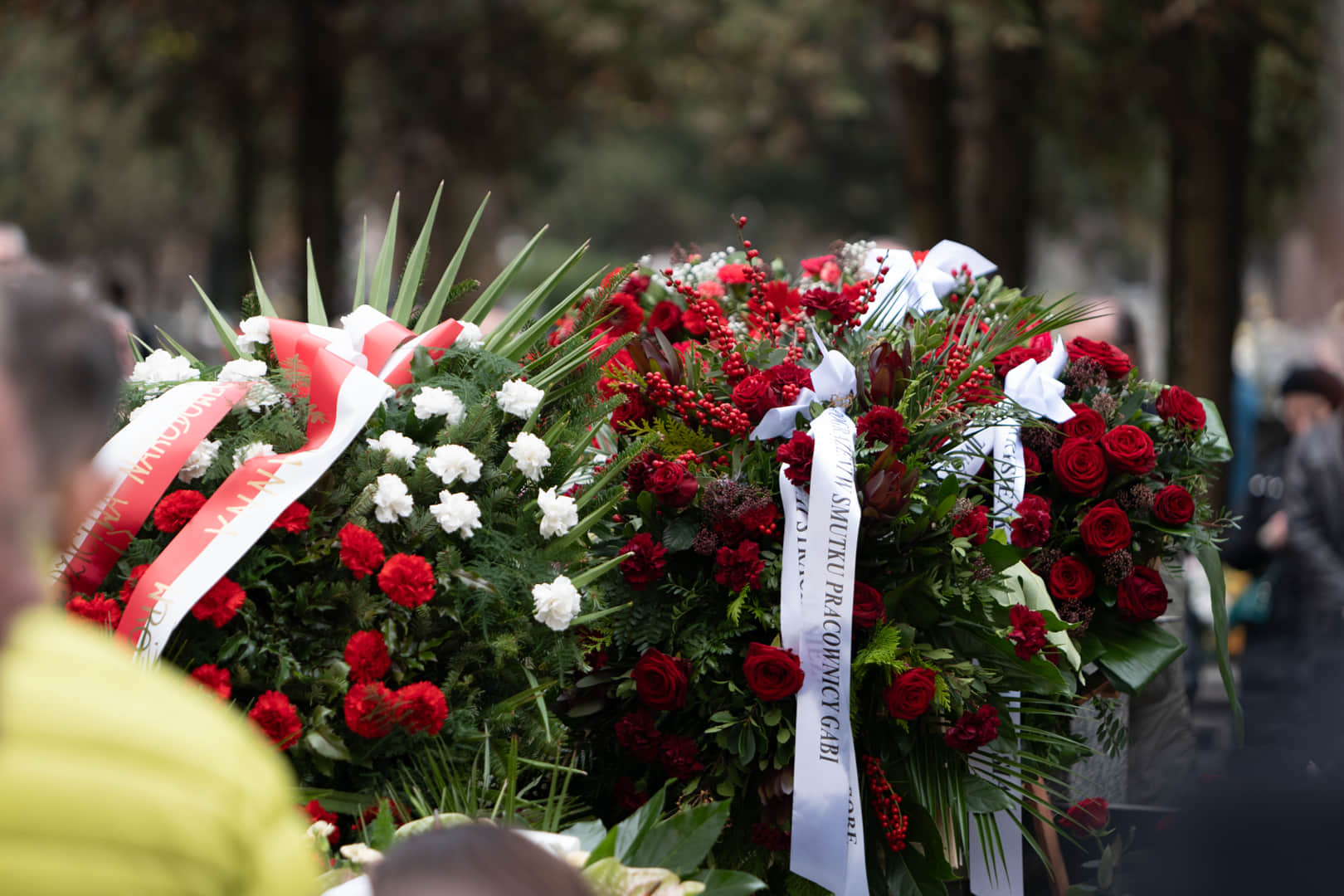
A secular funeral (also called a humanist funeral) is a funeral ceremony held outside any religious rite. In place of a priest, it is led by a funeral celebrant, who prepares a personal order of ceremony together with the family.
The ceremony may include words from family and friends, chosen music, memories, and philosophical or poetic reflections.
Funeral celebrant
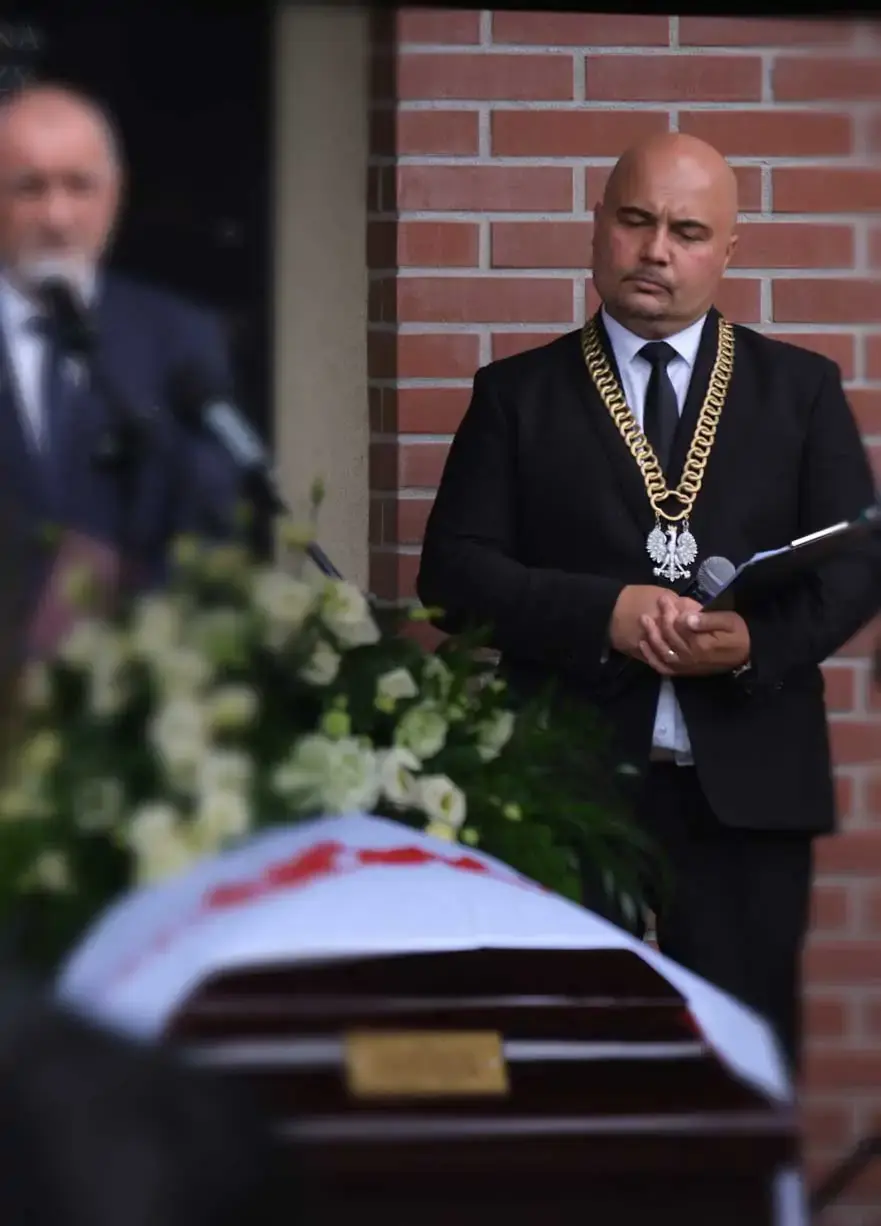
A secular ceremony is led by a funeral celebrant, someone trained to conduct farewells calmly and with dignity.
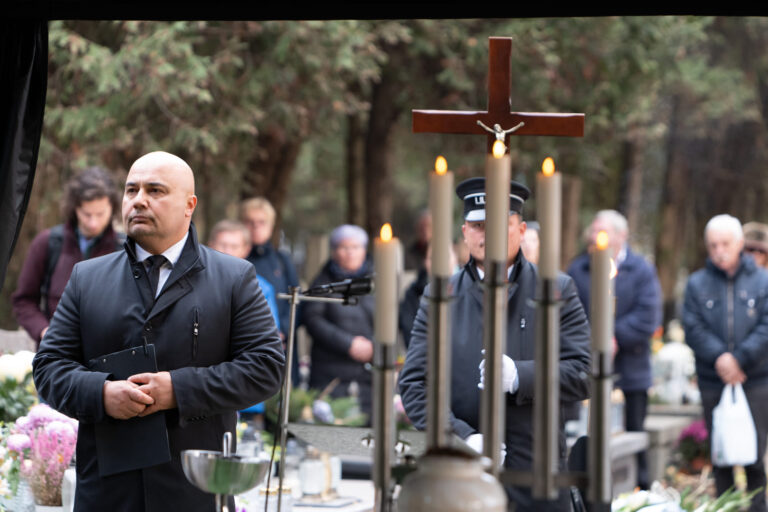
Lilia's celebrant for secular ceremonies is Marcin Kruk, who leads secular and humanist funerals at Kraków's cemeteries. He prepares the speeches and music with the family and oversees the ceremony as it takes place.
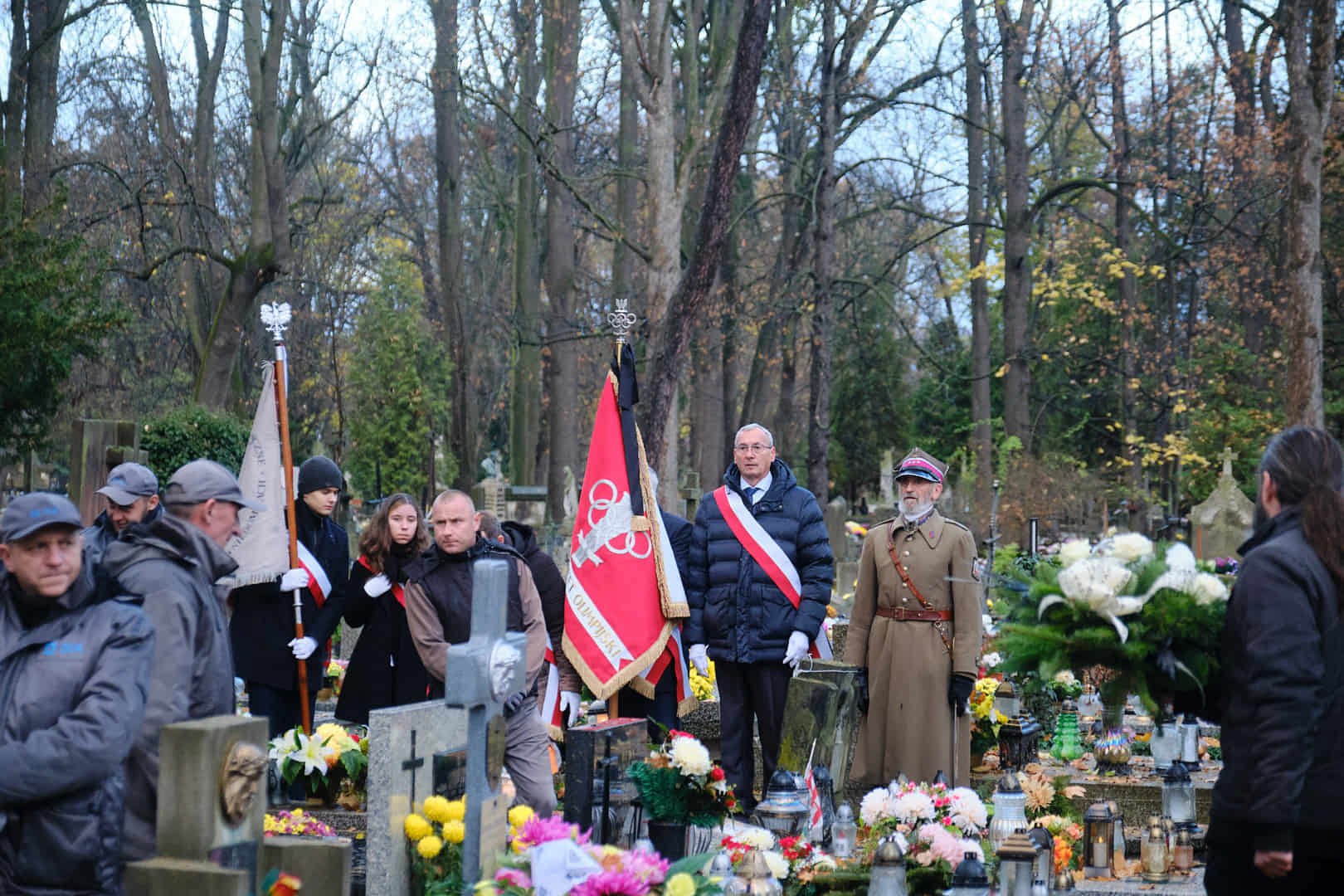
Marcin Kruk has led hundreds of ceremonies at the Rakowicki, Batowice, Salwator and Podgórze cemeteries, in Wieliczka and elsewhere around Kraków, including state funerals, farewells for scientists and artists, and family ceremonies.
More about the celebrant’s work on our funeral celebrant page and at pochowekswiecki.pl.
Cemeteries in and around Kraków
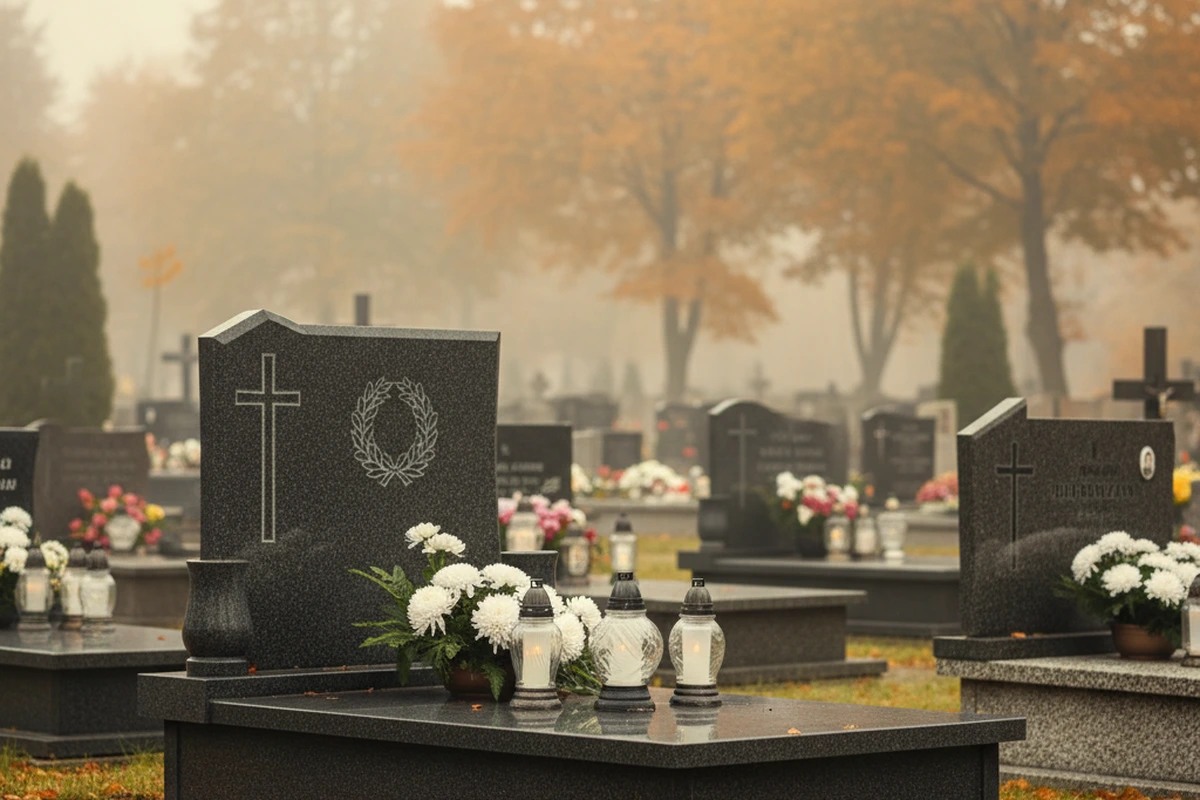
Lilia arranges secular funerals at cemeteries in and around Kraków, where the cemetery's regulations allow this form of ceremony:
- Rakowicki Cemetery, Kraków’s main historic cemetery, where many well-known people of the city are buried
- Batowice Cemetery, Prądnik Czerwony
- Salwator Cemetery, on the slope of Sikornik hill, above the Vistula valley
- Podgórze Cemetery, ul. Wielicka
- Grębałów Cemetery, Nowa Huta area
- Bieżanów Cemetery, south-eastern part of the city
- Mistrzejowice Cemetery, northern part of Nowa Huta
- Wieliczka cemetery and cemeteries in other towns and villages around Kraków
How a secular ceremony unfolds
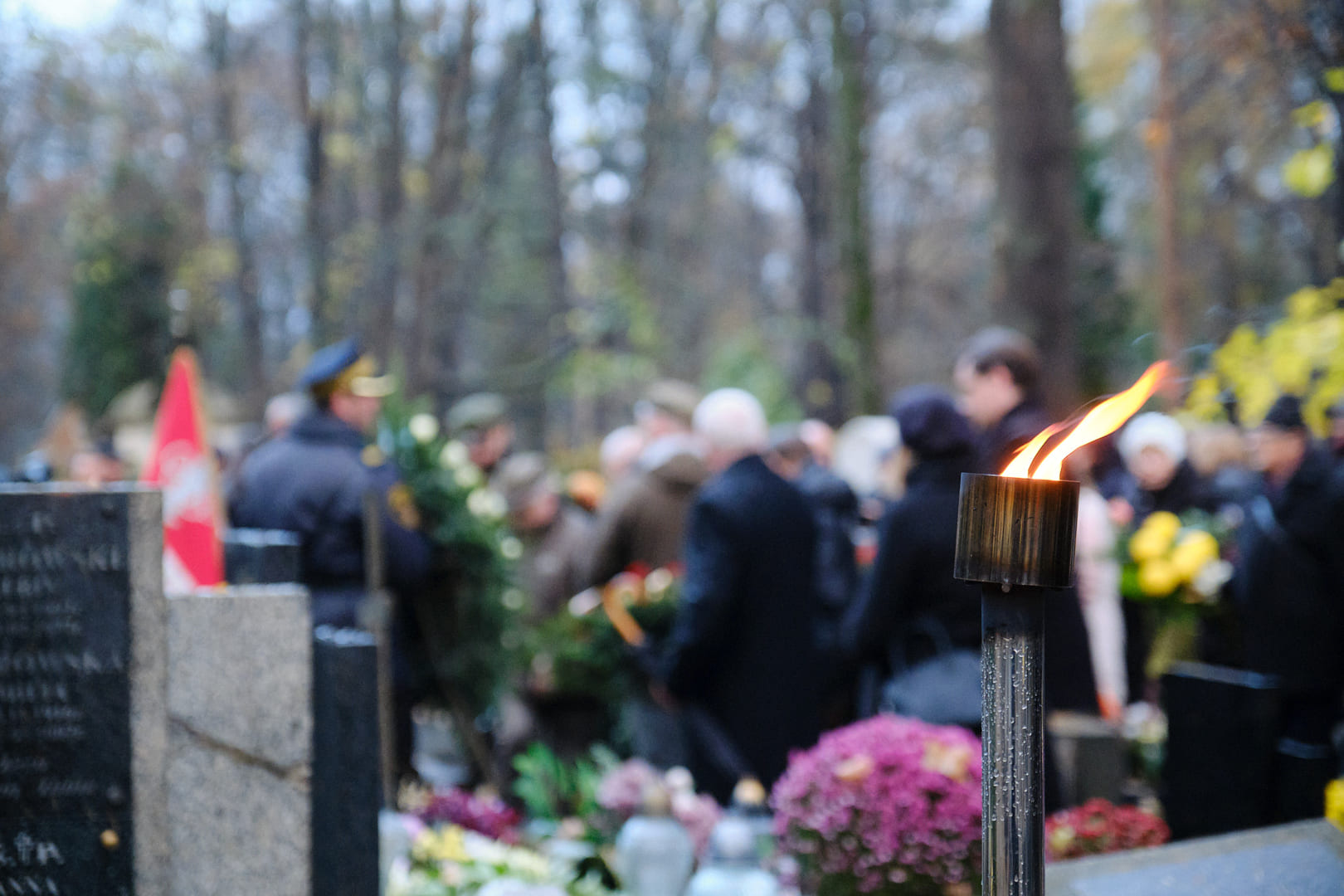
Six steps from first contact to burial
First conversation
We learn about the life of the deceased and the family’s wishes, and set the date of the funeral.
Preparing the order of ceremony
The celebrant prepares the plan of the ceremony with the family: speeches, music and words of farewell.
Official and cemetery formalities
We take care of the documents, the booking at the cemetery, transport and wreaths.
Rehearsal and coordination
We agree the details with the speakers and musicians, and the order of the procession.
The secular ceremony
The celebrant leads the ceremony according to the agreed order.
Burial or cremation
Burial in the grave, or handing over the urn, in line with the wishes of the deceased and the family.
Arranging the ceremony
Together with the family we agree:
- Music: a piece chosen by the family (classical, popular or original); a string quartet, a soloist or recordings.
- Words from loved ones: relatives, friends, colleagues. The celebrant helps to prepare what they will say.
- Words on life and death: poetry, passages of prose and philosophical thoughts chosen to suit the person who has died.
- Venue: a cemetery chapel, a farewell room or the open air, if the cemetery rules allow it.
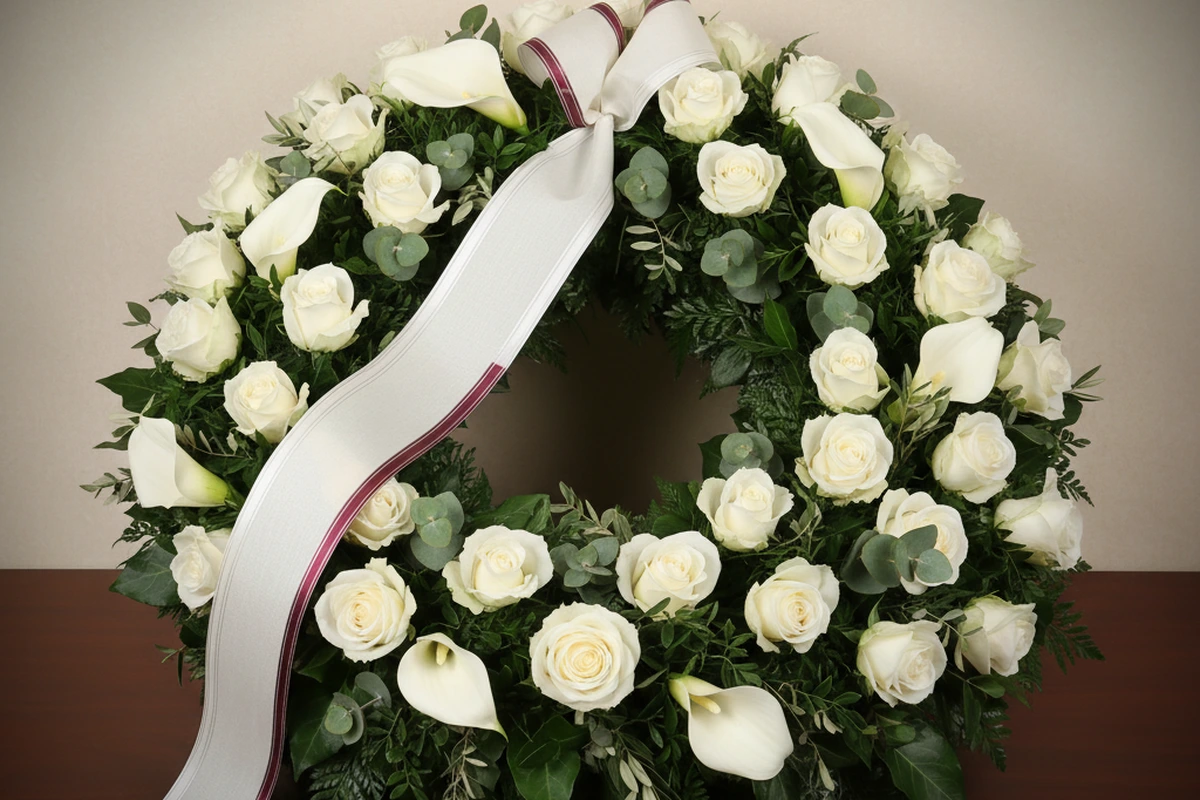
- Symbolic touches: candles, flowers, a portrait, objects that mattered to the person who has died.
- Procession and burial: as the family wishes.
Special forms of farewell
Farewell for a body donor, and a secular farewell during a Catholic funeral
A symbolic farewell for a body donor
A body donor is someone who decided to leave their remains to science after death. The burial usually takes place several years after the death.
For family and friends who wish to say goodbye together sooner, we arrange a symbolic farewell for the donor a couple of weeks after the death. The burial itself takes place later, usually with only the closest family present.
A secular farewell during a Catholic funeral
It is also possible to hold a secular farewell during a Catholic funeral. The farewell and memories are shared at the graveside, after the prayers led by the priest have ended.
The celebrant speaks about the person who has died and addresses those present, and the farewell closes with a piece of music chosen by the family. This form combines the religious ceremony with a personal farewell outside the liturgy.
Lilia’s experience
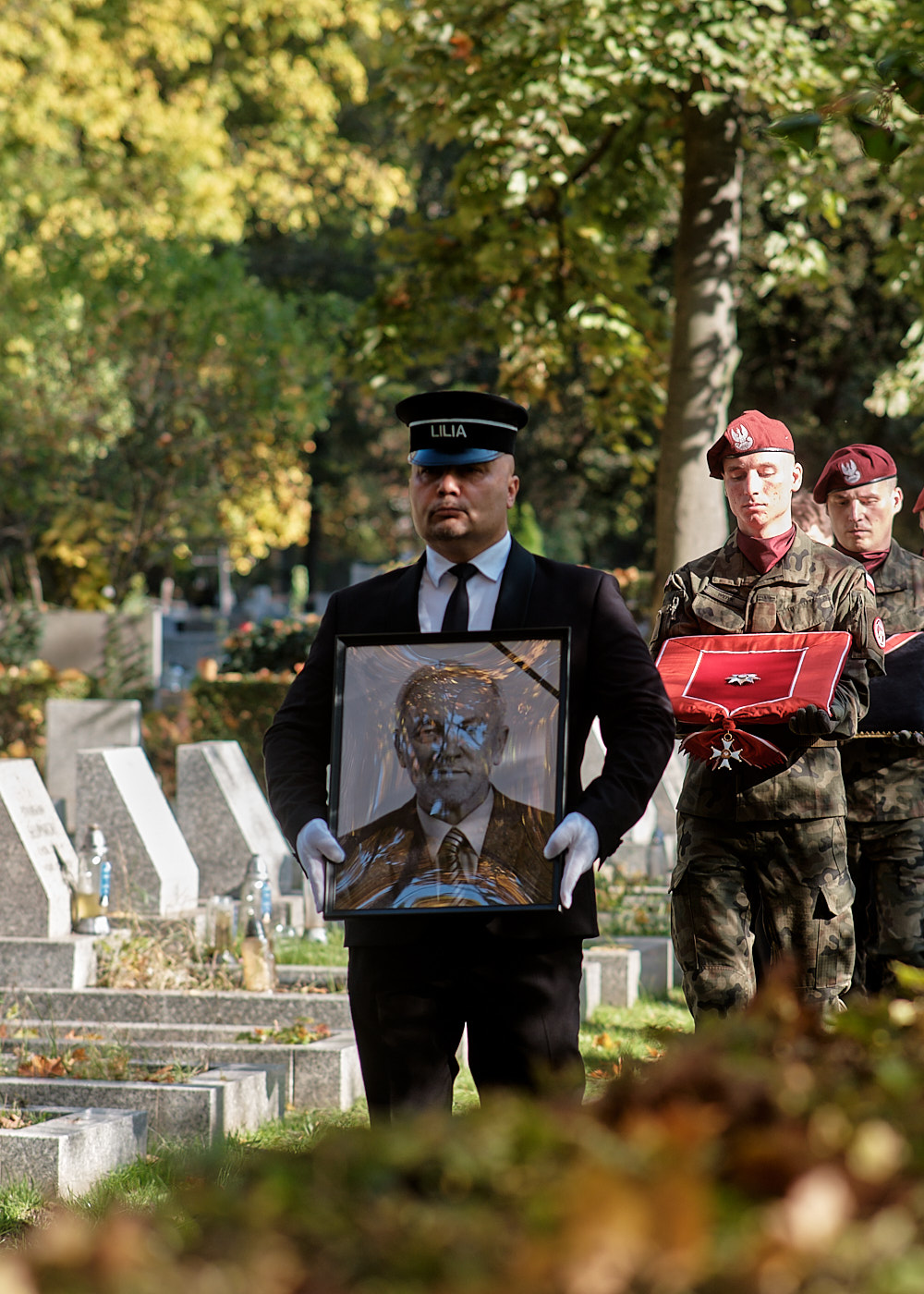
Lilia has been a funeral home in Kraków since 1993. Over three decades we have arranged thousands of funerals, including hundreds of ceremonies for well-known and distinguished people: artists, scientists, community figures and sportspeople.
We have five offices in Kraków: ul. św. Łazarza 21 (main office), ul. Rakowicka 39, ul. Bronowicka 19, ul. Powstańców 20 (Batowice) and ul. Grota-Roweckiego 7G. The main office is open Monday to Friday from 7:30 to 16:00 and on Saturdays from 8:00 to 14:00.
Farewell room on ul. Rakowicka
A farewell before the funeral or cremation can take place in our farewell room.
Frequently asked questions about secular ceremonies
How does a secular funeral differ from a Catholic one?
A secular funeral contains no liturgical or religious elements. Instead of a priest, the ceremony is led by a celebrant. The order of the ceremony is agreed with the family; it may include words from family and friends, chosen music, passages of literature and philosophical reflections.
How long does a secular ceremony last?
A typical secular ceremony lasts 30 to 60 minutes, depending on the number of speeches, the music and the order of ceremony. The part at the graveside (the procession and the burial) takes a further 15 to 30 minutes.
Who can speak during the ceremony?
During a secular ceremony, speeches may be given by close family, friends, colleagues and members of organisations to which the deceased belonged. The funeral celebrant helps to prepare what will be said.
Can a secular funeral be held at any cemetery in Kraków?
Secular funerals are allowed at most Kraków cemeteries, but the form of the ceremony depends on each cemetery’s regulations. Lilia arranges ceremonies at Rakowicki, Batowice, Salwator, Podgórze, Grębałów, Bieżanów and Mistrzejowice cemeteries, and in Wieliczka and the area around Kraków.
What music can be played during the ceremony?
The choice of music is the family's: it may be a classical, popular or original piece, including a favourite of the person who has died. Live performance (string quartet, soloist, organ) or recordings are both possible.
How do I arrange a secular ceremony?
Please call the Lilia office on +48 12 421 24 80 (Monday to Friday 7:30 to 16:00, Saturday 8:00 to 14:00) or, if it is urgent, our 24-hour helpline on +48 507 111 211. Together with the family we agree the order of ceremony, the date and the venue.
Talk to us about the ceremony
A guide for families
What to do after the death of someone close to you, and how to prepare the farewell.


Funeral helpline, day and night
We come to collect the deceased at any hour, including at night and on public holidays. We help with the formalities.